Crafting bold,
creative, UI/UX solutions
with passion
& precision.
Art Direction
Mobile First
UI + UX Design
Product Design
I’m Matthew Ford, a Senior UI/UX and Product Designer in Dallas.
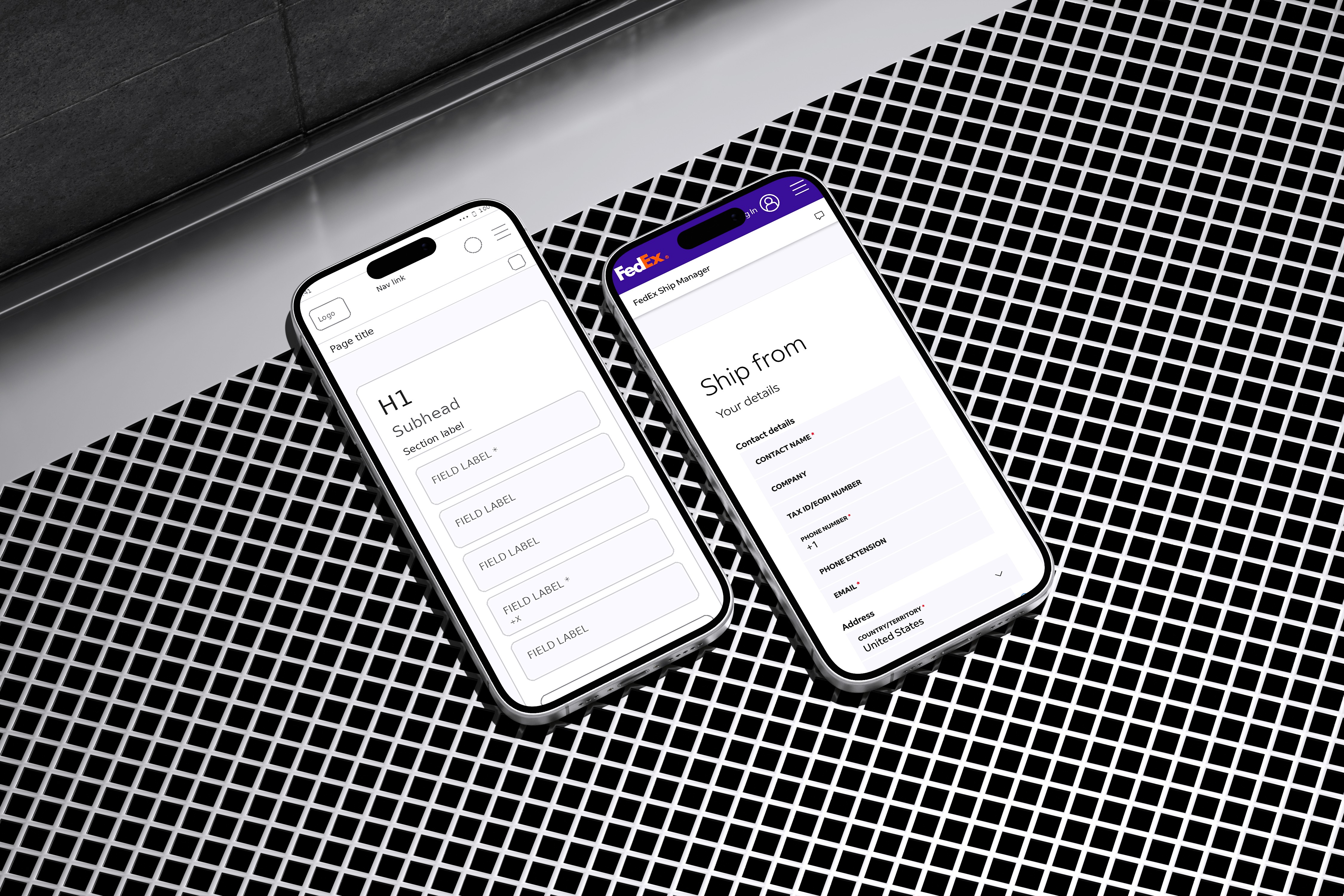
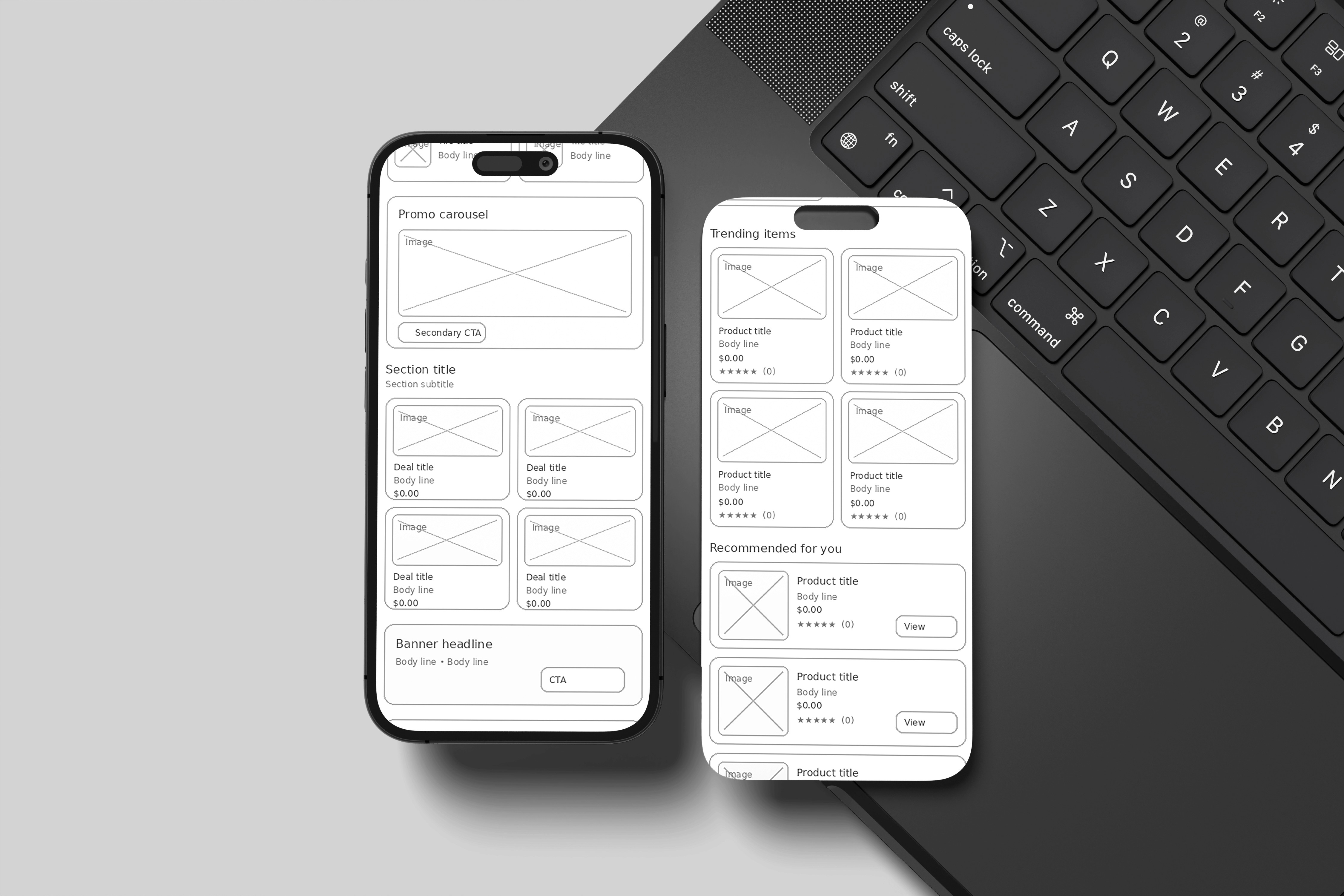
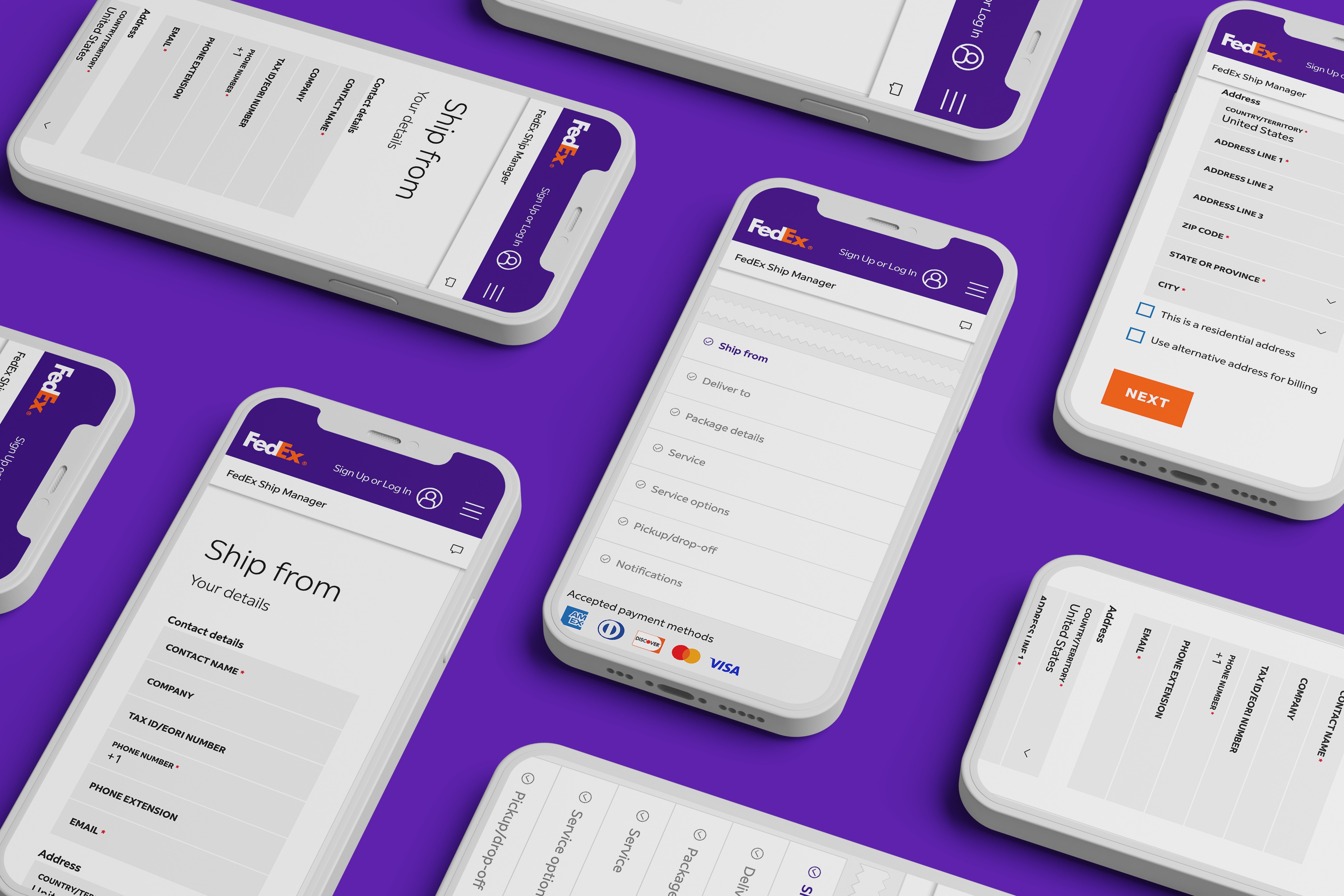
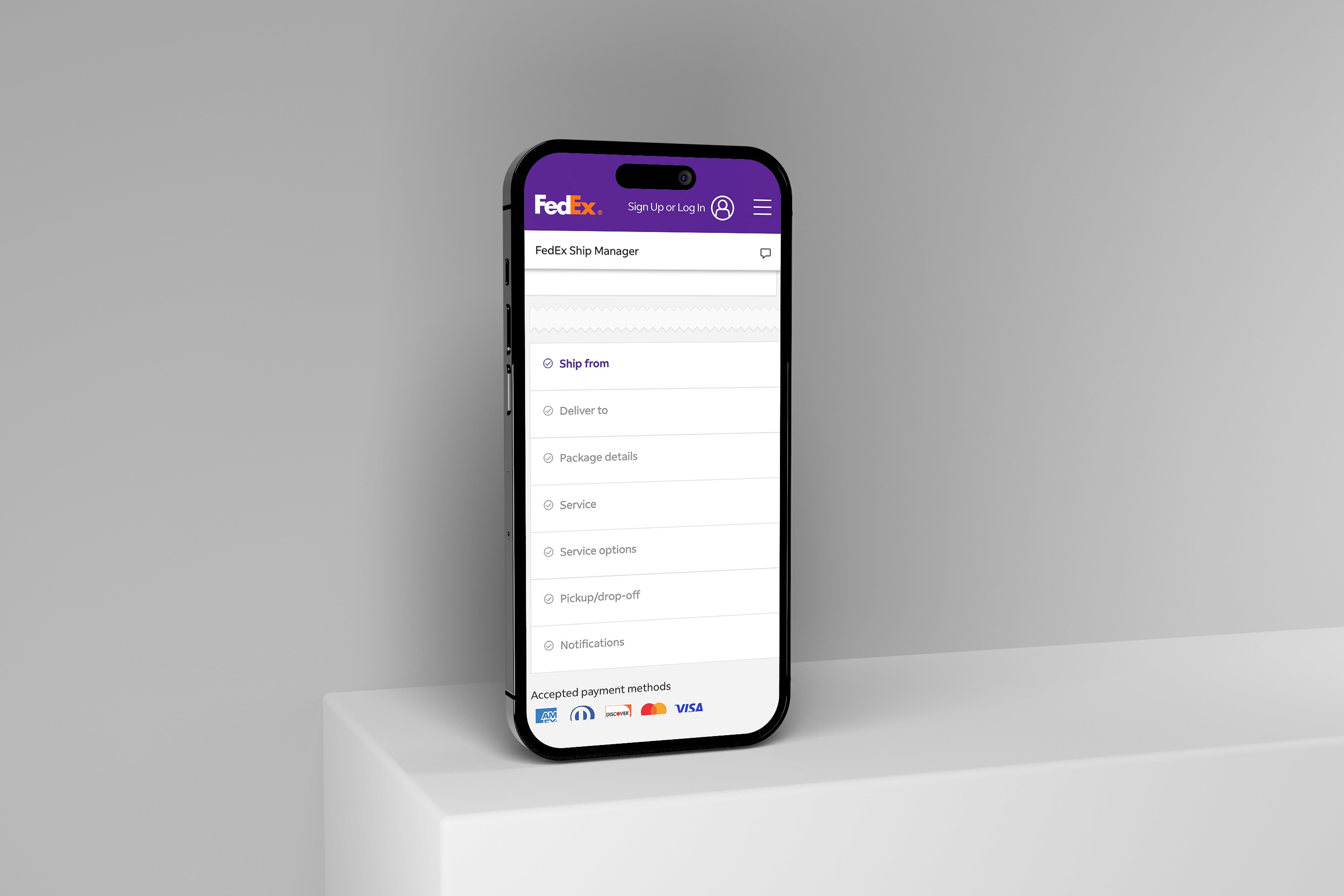
I specialize in enterprise software, built for clarity, speed, and consistency. From discovery to delivery, I lead the full UX cycle, including research, journey mapping, wireframing, prototyping, and usability testing.
I partner with teams in Agile to ship experiences grounded in real users and measurable business outcomes.





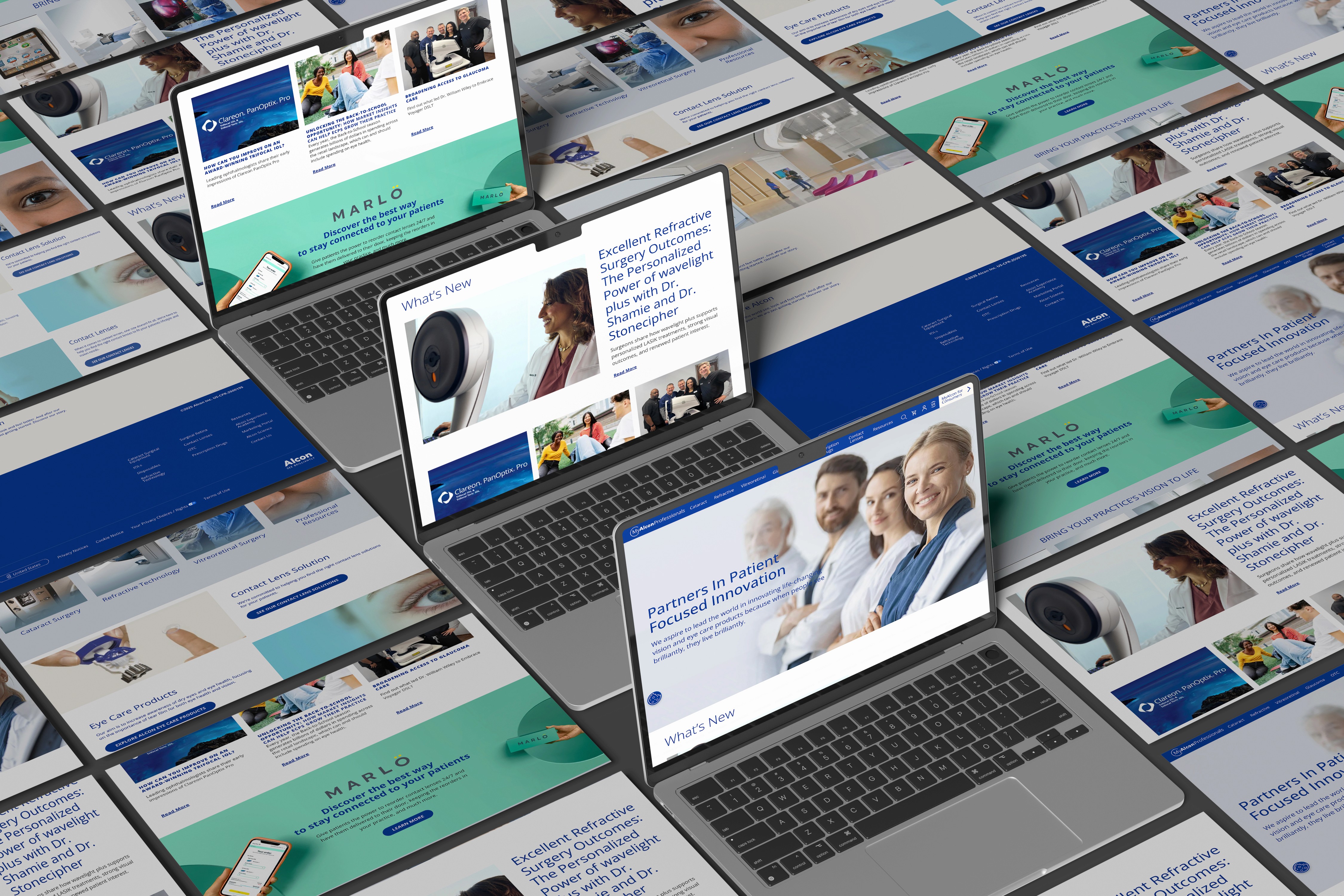
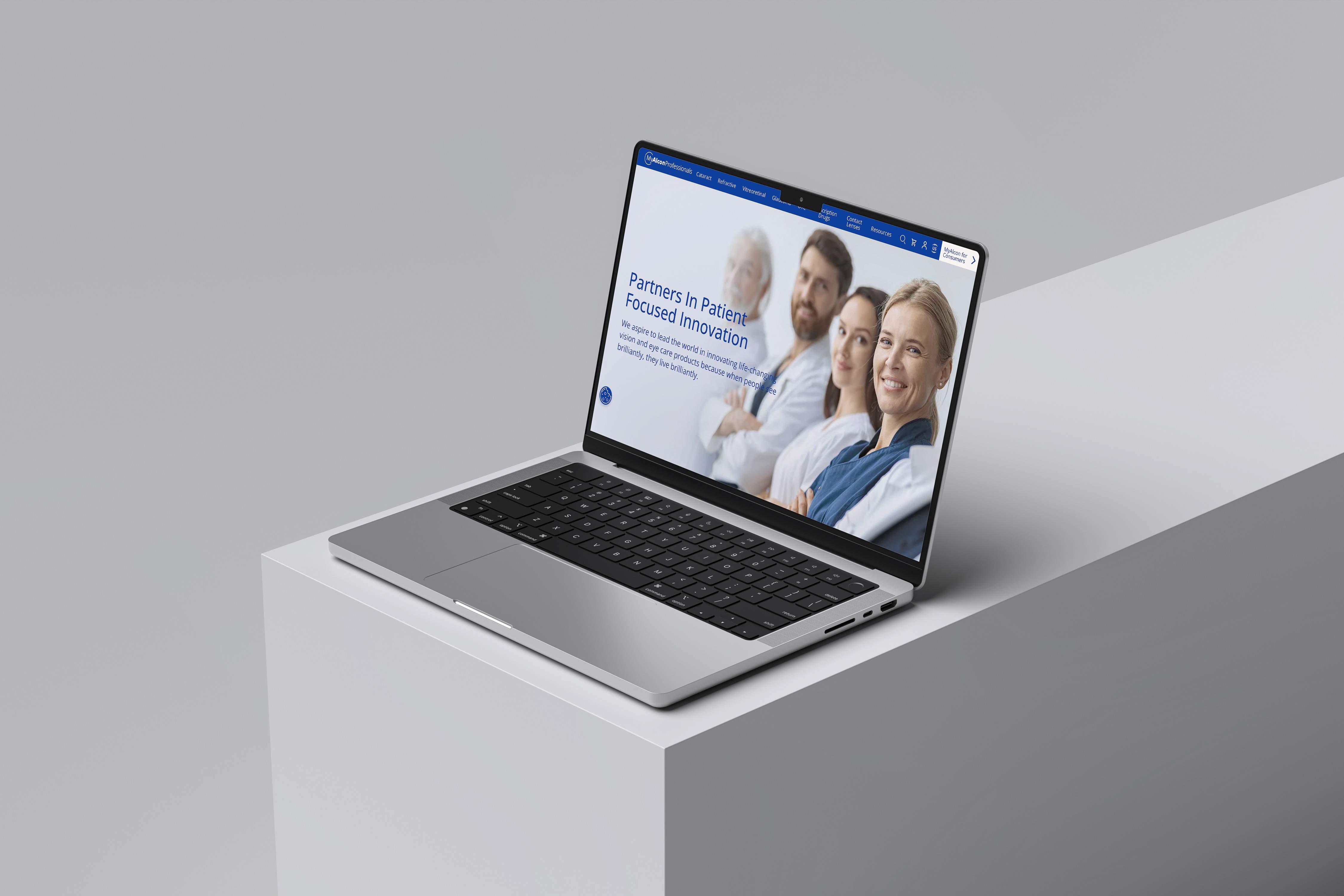
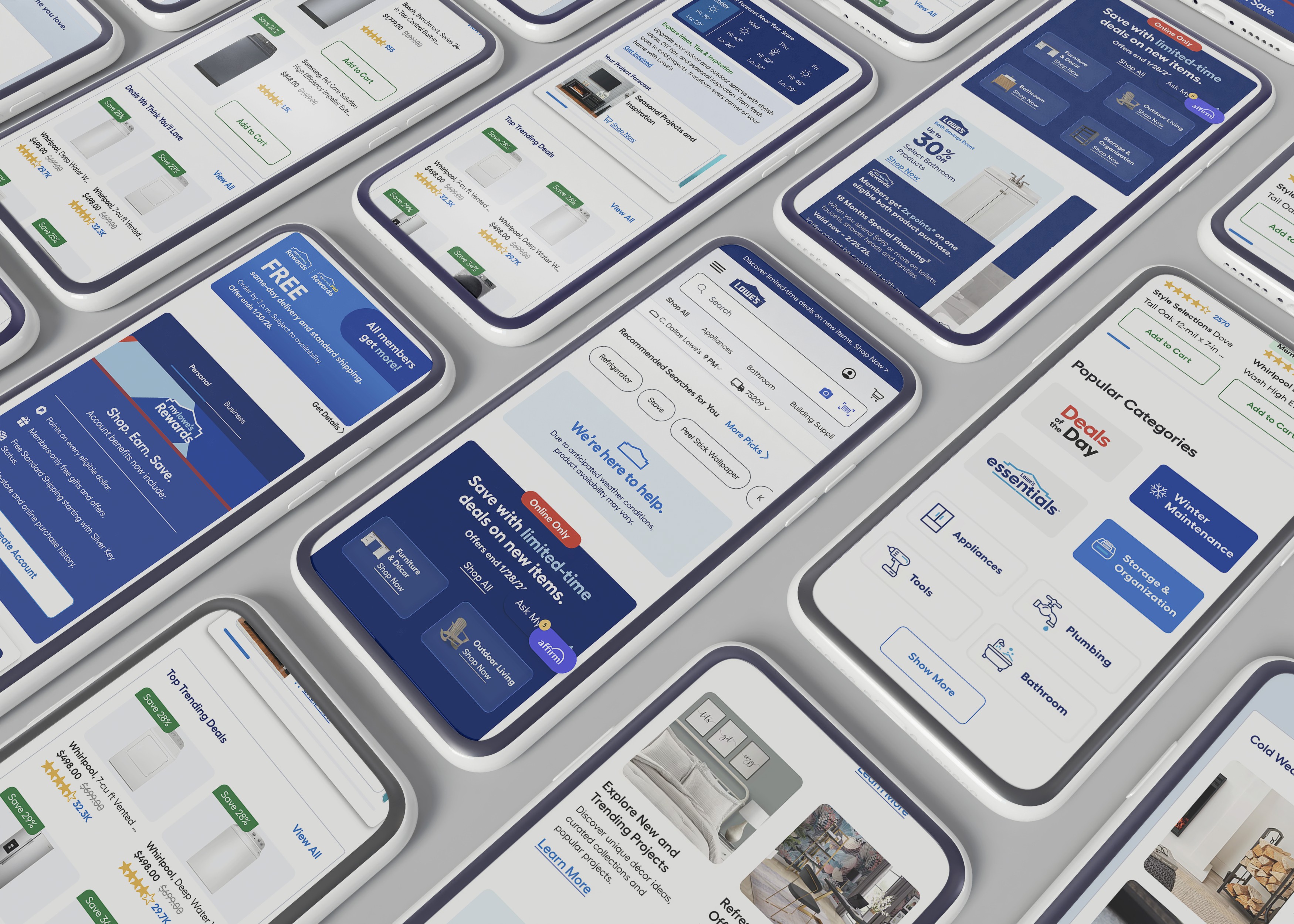
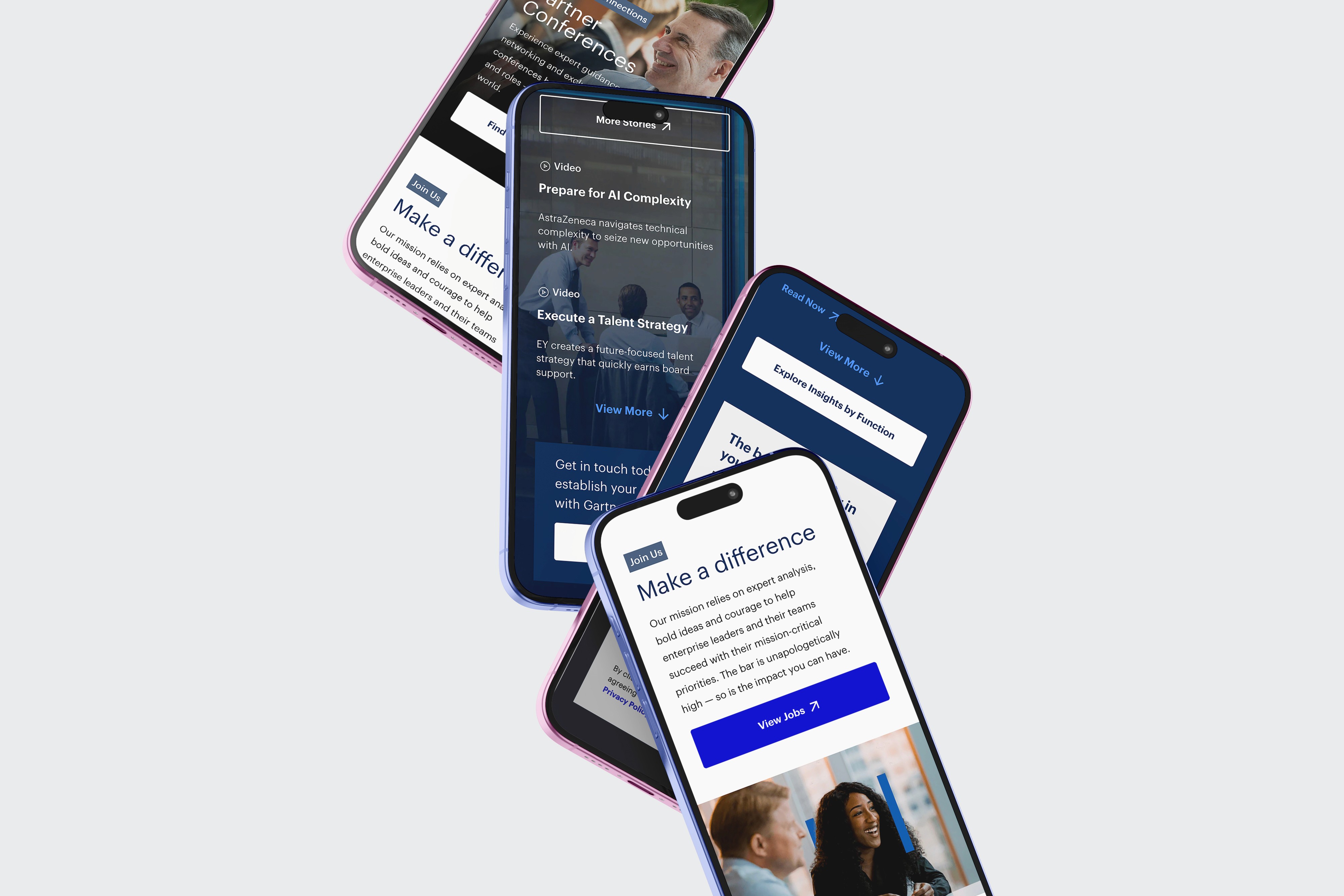
Featured UI/UX Work.
Featured UI/UX Work.
Featured UI/UX Work.


© Capabilities
(MCF - 2026)
Product Designer
© Capabilities
Product Designer
© Capabilities
Product Designer
Skills
Design Systems
User Centric Design
Wireframing
Prototyping
01
UI/UX Design
I design intuitive, conversion-aware experiences by combining strong UX strategy with clean, scalable UI systems. My strengths include information architecture, user flows, wireframing and prototyping, and building component libraries that stay consistent across teams and products. I’m highly detail-oriented with layout, spacing, hierarchy, and accessibility, and I work fast in iterative cycles with clear handoff specs to keep build teams moving.
02
Design Systems
I build design systems that keep products consistent, scalable, and easy to maintain. I create reusable components, variants, and patterns with clear usage guidelines, accessibility considerations, and responsive behavior. I define tokens for color, type, spacing, and elevation, then align them with engineering-friendly specs so designers and developers can ship faster with fewer inconsistencies.
03
User Centered Design
I design with the user at the center of every decision, balancing real needs with business goals. I use research insights, stakeholder input, and behavioral patterns to define clear problems, map journeys and flows, and validate ideas early through rapid prototypes. The result is experiences that feel intuitive, reduce friction, and earn trust through clarity, accessibility, and thoughtful interaction.
04
Accessibility
I design with accessibility built in, not bolted on. I apply WCAG-informed practices like clear hierarchy, readable typography, sufficient contrast, keyboard-friendly interaction patterns, and consistent focus states. I also design for real-world usability with responsive layouts, touch-friendly targets, and inclusive language so experiences work well for more people, in more contexts.
UI/UX Design
I design intuitive, conversion-aware experiences by combining strong UX strategy with clean, scalable UI systems. My strengths include information architecture, user flows, wireframing and prototyping, and building component libraries that stay consistent across teams and products. I’m highly detail-oriented with layout, spacing, hierarchy, and accessibility, and I work fast in iterative cycles with clear handoff specs to keep build teams moving.
Design Systems
I build design systems that keep products consistent, scalable, and easy to maintain. I create reusable components, variants, and patterns with clear usage guidelines, accessibility considerations, and responsive behavior. I define tokens for color, type, spacing, and elevation, then align them with engineering-friendly specs so designers and developers can ship faster with fewer inconsistencies.
User Centered Design
I design with the user at the center of every decision, balancing real needs with business goals. I use research insights, stakeholder input, and behavioral patterns to define clear problems, map journeys and flows, and validate ideas early through rapid prototypes. The result is experiences that feel intuitive, reduce friction, and earn trust through clarity, accessibility, and thoughtful interaction.
Accessibility
I design with accessibility built in, not bolted on. I apply WCAG-informed practices like clear hierarchy, readable typography, sufficient contrast, keyboard-friendly interaction patterns, and consistent focus states. I also design for real-world usability with responsive layouts, touch-friendly targets, and inclusive language so experiences work well for more people, in more contexts.
UI/UX Design
I design intuitive, conversion-aware experiences by combining strong UX strategy with clean, scalable UI systems. My strengths include information architecture, user flows, wireframing and prototyping, and building component libraries that stay consistent across teams and products. I’m highly detail-oriented with layout, spacing, hierarchy, and accessibility, and I work fast in iterative cycles with clear handoff specs to keep build teams moving.
Design Systems
I build design systems that keep products consistent, scalable, and easy to maintain. I create reusable components, variants, and patterns with clear usage guidelines, accessibility considerations, and responsive behavior. I define tokens for color, type, spacing, and elevation, then align them with engineering-friendly specs so designers and developers can ship faster with fewer inconsistencies.
User Centered Design
I design with the user at the center of every decision, balancing real needs with business goals. I use research insights, stakeholder input, and behavioral patterns to define clear problems, map journeys and flows, and validate ideas early through rapid prototypes. The result is experiences that feel intuitive, reduce friction, and earn trust through clarity, accessibility, and thoughtful interaction.
Accessibility
I design with accessibility built in, not bolted on. I apply WCAG-informed practices like clear hierarchy, readable typography, sufficient contrast, keyboard-friendly interaction patterns, and consistent focus states. I also design for real-world usability with responsive layouts, touch-friendly targets, and inclusive language so experiences work well for more people, in more contexts.